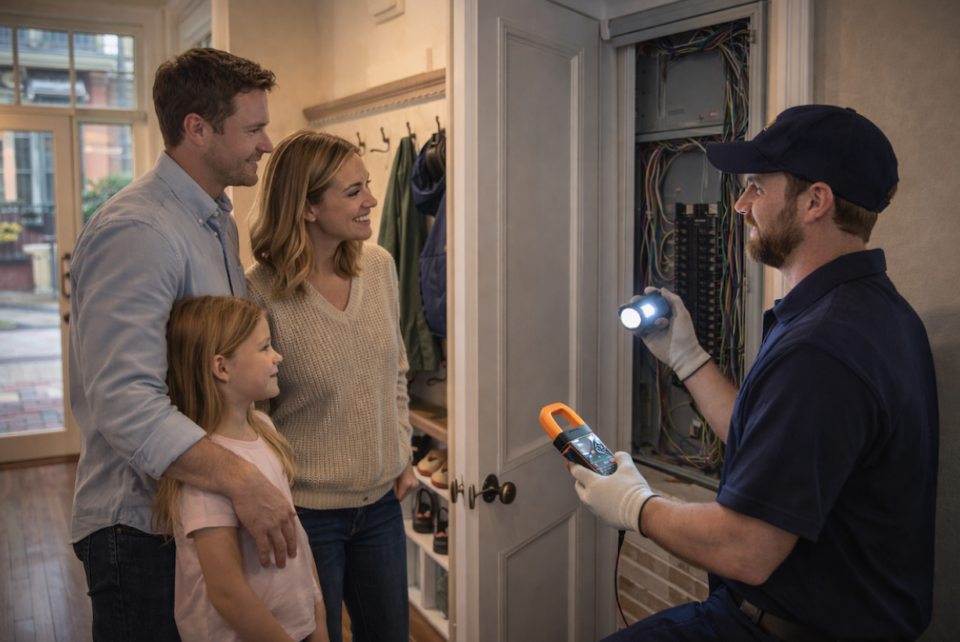
Electricity keeps everything running in your home, but it is also one of the easiest things to take for granted.
In the New Orleans area, many homes have older wiring, older breaker panels, and years of add-ons that were not always done properly.
That is why basic electrical safety is worth paying attention to. A few simple habits can go a long way in keeping your home safer.
1. When Something Feels Off, Don’t Ignore It
If an outlet is sparking, a breaker keeps tripping, or a light starts flickering for no obvious reason, that is usually a sign that something is going on behind the scenes.
Most electrical problems start small but can turn into bigger issues if left alone.
When in doubt, it is always better to have an electrician take a look than to guess.
2. Too Many Plugs in One Spot Can Be a Problem
It is easy to overload an outlet without realizing it. One plug turns into two, then a power strip is added, and another plug is plugged in.
Overloaded outlets can overheat, which increases the risk of damage or even fire. If you find yourself constantly running out of outlets, that is usually a sign you need a safer long-term solution.
3. Don’t Ignore Worn-Out Cords
Frayed cords, cracked insulation, and loose plugs are more than just an inconvenience. They are a safety risk.
If a cord looks damaged, it is usually safer to replace it rather than tape it up or try to make it work. Electrical tape is not a real fix.
4. Teach Kids Early and Keep It Simple
Kids are naturally curious, and outlets are right at eye level for them. A quick conversation about what is safe and what is not can prevent accidents.
Remind them that outlets are not toys, cords should not be pulled, and electricity and water should never mix. Even simple reminders make a difference.
5. Outlet Covers Are a Small Thing That Helps
If you have small children in the home, outlet covers are a quick and easy way to add an extra layer of safety.
They help prevent curious hands from getting too close to something dangerous, and they’re cheap on Amazon.
6. Extension Cords Should Not Become Permanent
Extension cords are fine for temporary use, but they are not meant to be a long-term solution. They can easily become tripping hazards, especially in homes with kids and pets.
If you find yourself using extension cords every day, it may be time to consider adding outlets or finding a safer setup.
7. Know Where Your Breaker Panel Is
In an emergency, you do not want to be walking around your house looking for the breaker panel. It helps to know what it looks like and where it is located.
If your breakers are not labeled clearly, taking a few minutes to label them can make a stressful situation much easier to handle.
8. Water and Electricity Are a Bad Combination
This one seems obvious, but it causes more problems than people realize.
Wet hands, damp floors, and appliances near sinks can create a serious risk. Bathrooms, kitchens, laundry rooms, and outdoor areas are especially important places to be careful in.
9. Watch for Early Warning Signs
Some of the most common warning signs homeowners notice include buzzing, warm outlets, burning odors, sparks, and breakers that trip repeatedly.
These are not normal. They are often early signs of a wiring issue or an overloaded circuit. The sooner it is addressed, the safer your home will be.
If you notice any of these warning signs, it may be time to schedule an electrical inspection before it turns into a bigger issue.
10. Talk About Emergency Safety Before You Need It
Most families do not think about electrical safety until something goes wrong.
It is worth having a basic plan. Make sure everyone knows what to do if the power goes out, where flashlights are stored, and how to get out of the house quickly in case of smoke or fire.
Final Thoughts
Electrical safety is not about being paranoid. It is about staying aware. Small habits and quick check-ins can help prevent serious problems, especially in older homes in the New Orleans area.
If you want true peace of mind, schedule an inspection with a licensed electrician.